Liver’s Role in Bio-Research: 3 Common Cell Sources for Hepatic Culture
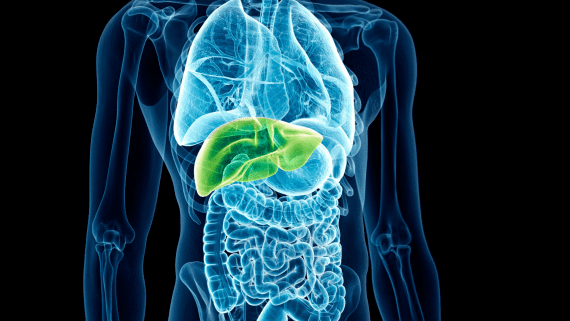
What you need to know about human liver cells The liver is the largest and most complex internal organ in the human body, weighing approximately

What you need to know about human liver cells The liver is the largest and most complex internal organ in the human body, weighing approximately

As we worked closely with fellow researchers in the pharmaceutical realm, we understand the importance of drug safety and efficacy. In this ever-evolving landscape, access

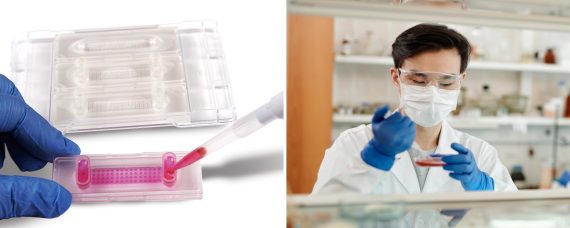
Organ-on-a-chip technology allows the cultivation of human liver cells under relevant physiological stresses, allowing deep study of the pathophysiology of liver diseases.

MSCs have been shown to promote and improve wound recovery in medical applications by directly reducing the inflammatory response & recruiting tissue repair mediators.

Transdermal patches are medicated adhesive patches placed on the skin to deliver a pre-prescribed dose of medication through the skin into the bloodstream.

Mice are frequently employed as model organisms to study human diseases and genetic disorders. One of the most powerful tools in mouse genetics is the

Organoids are three-dimensional (3D) multicellular in vitro tissue cultures that mimic the architecture, microenvironment, and functions of organs or tissues. Organoids can be derived from

MSC treatment has demonstrated their ability to develop into chondrocytes, healing tissue by producing collagen and matrix, lower inflammation, and provide pain relief for osteoarthritis.

Extracellular vesicles (EVs) are nanoscale lipid bilayer vesicles that are secreted by almost all cell types into the extracellular environment. EVs have a wide

In recent years, chimeric antigen receptor (CAR) T-cell therapy has emerged as one of the most promising immunotherapy for the treatment of cancer. This therapy

Neurospheres and organoids are both used for disease modeling, but they have their differences. Discover which one is better suited for your research needs.

Outsourcing a CRO can be a cost-effective choice for organizations that lack the necessary resources such as animal facilities, manpower, or equipment.

Natural killer(NK) cell therapy is a cutting-edge treatment for cancer that is generating excitement in the medical world. This innovative immunotherapy harnesses the power of the body’s own immune system to fight cancer cells. In this article, we’ll explore how NK cell therapy works and what it could mean for patients with cancer.

Cancer immunotherapy has progressed tremendously in recent years, with the emergence of innovative approaches like chimeric antigen receptor (CAR) T-cell therapy and T-cell receptor (TCR)

Mesenchymal stem cells (MSCs) are adult multipotent cells that have been shown to have extraordinary anticancer properties, making them a unique option for cancer treatment.

Adoptive Cell Therapy (ACT) represents a promising approach for the treatment of cancer. It is a process in which immune cells such as T-cells

Spheroids have emerged as powerful tools for advancing biomedical research, with applications ranging from drug screening and toxicity testing to disease modeling and tissue engineering.

If you’re thinking to yourself ‘How is cultured meat made?’ you’ve landed on the right page. Cultured meat starts with cells and these cells need structural support to grow into a meat.

Monoclonal antibodies (mAbs) are often used to diagnose and treat many diseases such as cancer. Monoclonal antibodies are produced from immune cells that are clones

Cancer is a disease that can develop anywhere in our body as a result of excessive cell division. The location and cell types influence the etiology, symptoms, severity, and therapeutic approaches. In brain tumours, more than 75% of adults are affected by glioblastoma. The average survival rate is only two years after diagnosis, and the progression of therapeutic strategies is limited and challenging. These are mainly due to the blood-brain barrier (BBB) blockage, which makes intravenous chemotherapeutic compounds difficult to get through, and the relative rarity of this kind of cancer, which makes it difficult to attract pharmaceutical companies.


Stem cell therapy is one of the most promising approaches in the field of regenerative medicine. It is to promote the repair response of the diseased or injured tissue to restore the lost function. Many diseases can be targeted by cell therapy. These include blood-related diseases, neuronal degenerative diseases, ischemic and cardiovascular disorders, bone and cartilage diseases, wound healing, etc.

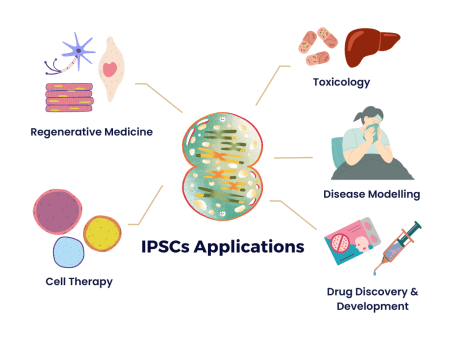
iPSCs have a wide range of applications in research and medicine. One of the most promising areas of research is disease modelling.

싱가포르 – 점심시간 때의 싱가포르 호커 먹거리 골목(Hawker stall)에서, 젊은 농부들이 자신들이 생산을 도와 만들어 자랑스럽다고 말한 닭고기 사테를 먹기 위해 앉았습니다.

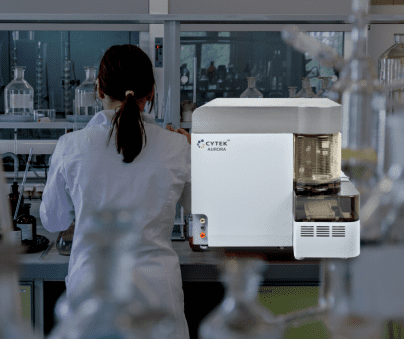
Flow cytometry is a common technique used for a wide range of applications including characterization, detection of the cells, tracking cell progression through protein expressions,

Contact our Customer Care, Sales & Scientific Assistance

Consult and asked questions about our products & services

Documentation of Technical & Safety Data Sheet, Guides and more...